
Table of Contents
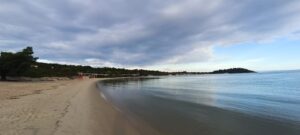
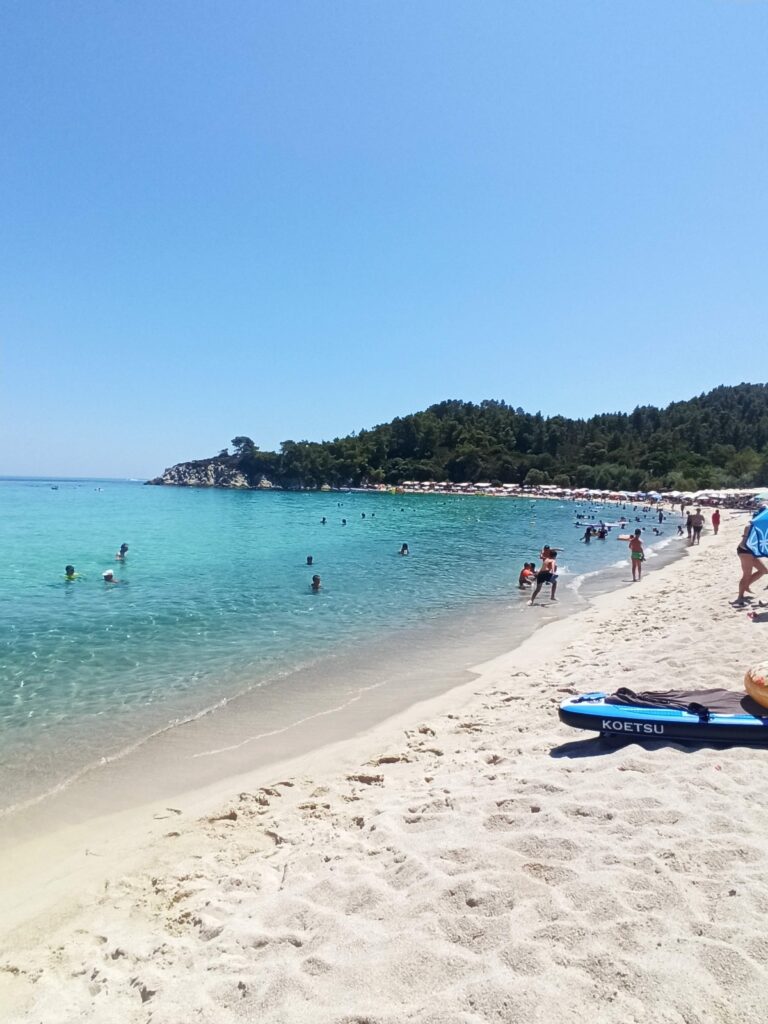
When most travellers picture a holiday in Northern Greece, their minds immediately drift to endless stretches of white sand and translucent turquoise water. And rightfully so—Halkidiki boasts some of the most celebrated coastlines in the Aegean. But if you restrict your holiday entirely to a sunbed, you are only scratching the surface of what this magnificent region has to offer.
Beyond the shoreline lies a completely different world: ancient stone-built mountain villages wrapped in pine forests, bustling fishing ports where local catch is served minutes off the boat, and centuries-old traditions preserved in stone and folklore. This comprehensive Halkidiki travel guide invites you to venture inland, dive into local gastronomy, and discover the authentic heart of Northern Greece. Whether you are arriving via a seamless Thessaloniki Airport transfer or planning a multi-stop road trip, exploring these towns and villages will transform your Greek holiday into an unforgettable cultural journey.
Understanding Halkidiki
Geographically shaped like a mythical trident stretching into the northern Aegean Sea, Halkidiki is divided into three distinct peninsulas, locally known as “legs.” Each peninsula possesses a completely unique character, shaped by its terrain, history, and proximity to Thessaloniki.
Kassandra
The westernmost leg, Kassandra, is the most developed and cosmopolitan peninsula. Closest to Thessaloniki Airport (SKG), it is characterised by vibrant beach clubs, luxury resorts, lively nightlife, and bustling coastal towns. While it is heavily focused on tourism, it also shelters quiet corners and historic roots if you know where to look.
Sithonia
The middle leg, Sithonia, is a wilder, more mountainous paradise. Dominated by dense pine forests, dramatic cliffs, and hidden coves, it moves at a slower, more deliberate pace. Its villages are deeply tied to fishing, agriculture, and beekeeping, offering a rugged, natural charm that appeals heavily to nature lovers and those seeking quiet authenticity.
Mount Athos Region
The easternmost leg is defined by the majestic silhouette of Mount Athos, an autonomous monastic state steeped in over a thousand years of Byzantine history. While entry to the monastic republic is restricted, the northern mainland surrounding it—including ancient hills and coastal harbors—serves as a gateway to untouched landscapes, tranquil valleys, and deeply spiritual heritage.
The Best Towns and Villages to Visit
To help you plan your ideal Halkidiki itinerary, we have handpicked ten of the most fascinating towns and villages across the region, blending coastal charm with mountain tradition.
1. Afitos
Why Visit
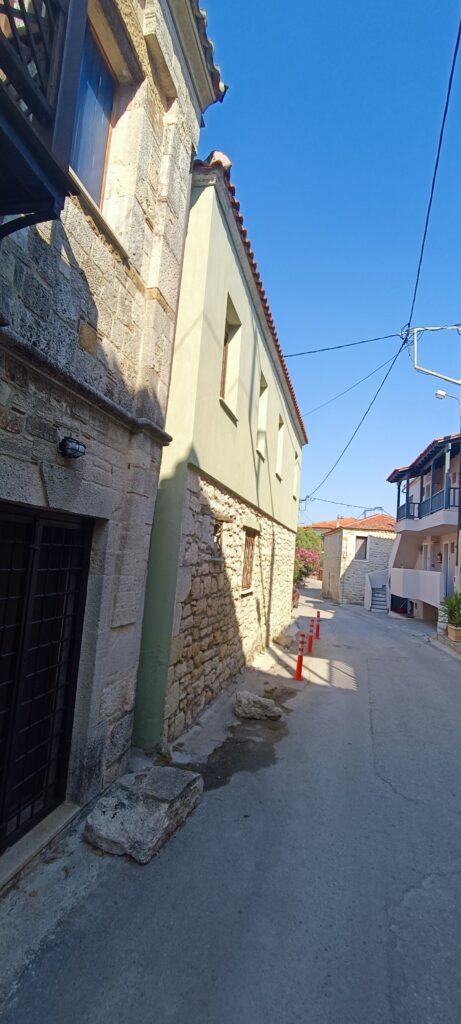
Perched dramatically on a cliff overlooking the Toronean Gulf, Afitos is widely considered the architectural jewel of Kassandra. Unlike its concrete-heavy neighbours, this traditional village has preserved its 19th-century stone houses, paved alleyways, and stone-built mansions.
Top Attractions
The Folklore Museum of Afitos, housed in a historic stone building.
The Church of Agios Dimitrios, built in 1859 with a rare architectural style.
The panoramic cliffside viewpoints overlooking the sparkling sea below.
Best Time to Visit
Late afternoon into the evening, when the stone alleys glow under warm lanterns and local tavernas fill with chatter.
Who Will Enjoy It
Couples, architecture enthusiasts, and travellers looking for romance and refined dining.
Local Tip
Skip the main tourist strip and wander down the secondary footpaths leading to the quiet eastern edge of the village for uninterrupted sea vistas.
2. Arnaia
Why Visit
Nestled deep in the forested slopes of Mount Holomontas, Arnaia is the quintessential mountain village of Halkidiki. Far removed from the coastal heat, it is famous for its preserved Macedonian architecture, towering plane trees, and rich weaving heritage.
Top Attractions
The historical Folklore and Historical Museum housed in the grand Katsibardis Mansion.
The central square, shaded by a monumental 300-year-old plane tree fed by natural spring water.
Traditional local weaving workshops keeping centuries-old looms alive.
Best Time to Visit
Autumn or spring, when the surrounding beech and oak forests transform into vibrant shades of gold and deep green.
Who Will Enjoy It
Families, hikers, and anyone eager to experience authentic, non-seaside Greek village life.
Local Tip
Stop by a local kafeneio (traditional coffee house) to try authentic Greek coffee brewed on hot sand, paired with a spoonful of homemade pine honey.
3. Nikiti
Why Visit
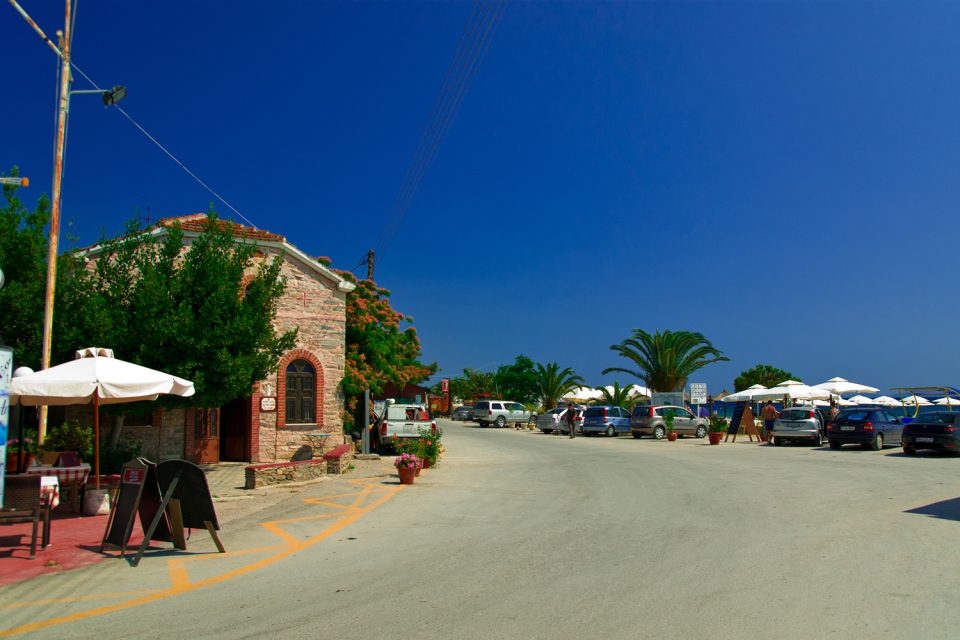
Nikiti offers a fascinating contrast. Down by the coast, it is a bustling summer hub with a long promenade. Just a few hundred metres uphill, however, lies the Old Town of Nikiti—a peaceful, preserved hamlet of stone houses dating back to the 1830s.
Top Attractions
The historic Old Nikiti settlement with its stone-built architecture and quiet courtyards.
The Basilica of St. George, featuring remarkably well-preserved 5th-century mosaic floors.
The lively marina and evening promenade lined with gelaterias and seaside tavernas.
Best Time to Visit
Late afternoon. Spend an hour walking the quiet, cobblestone paths of the old village before heading down to the marina for sunset dinner.
Who Will Enjoy It
Families and food lovers looking for a balanced mix of historical exploration and coastal convenience.
Local Tip
Nikiti is one of the leading honey-producing regions in Europe. Pick up a jar of raw local pine or wildflower honey directly from a roadside producer.
4. Neos Marmaras
Why Visit
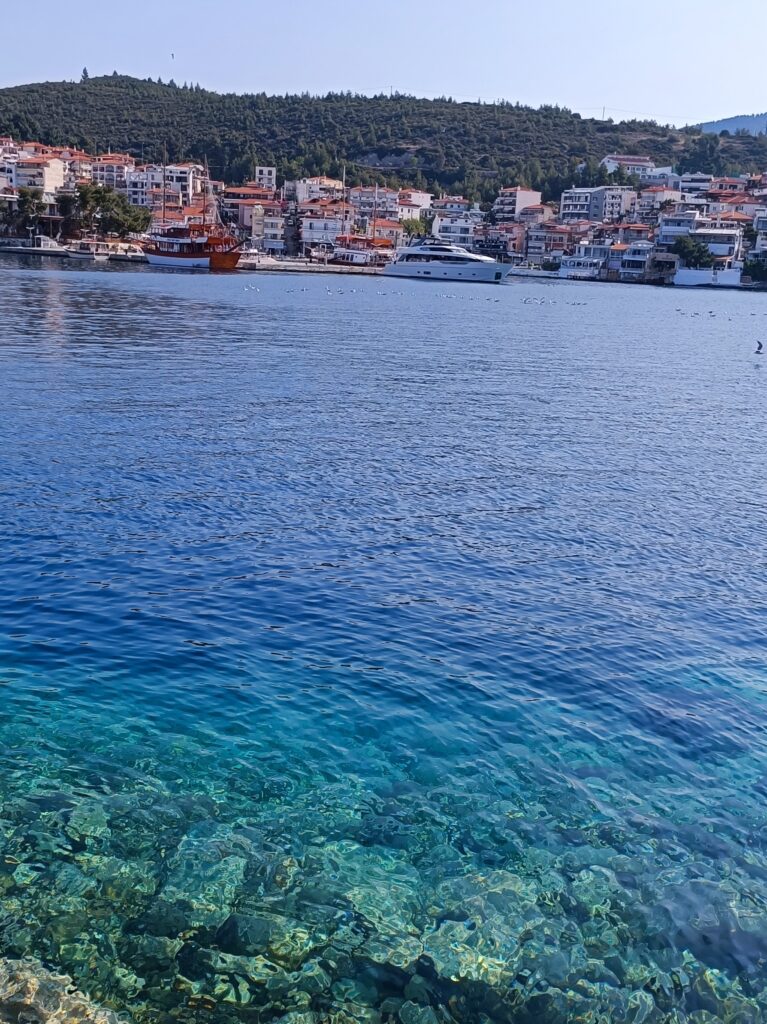
Built amphitheatrically across three rolling hills on the Sithonia peninsula, Neos Marmaras is a vibrant fishing town that successfully blends traditional island architecture with modern resort energy.
Top Attractions
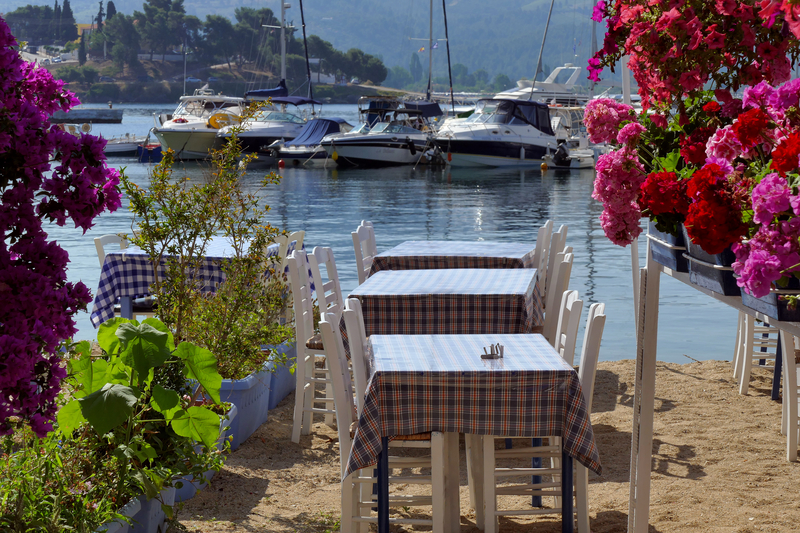
The bustling port area, packed with fishing boats, yachts, and seafood restaurants.
The pine-clad slopes surrounding the town, offering exceptional hiking paths.
The nearby Porto Carras estate, famous for its vineyards, olive groves, and wine-tasting experiences.
Best Time to Visit
Summer evenings, when the waterfront pedestrian zone comes alive with local musicians and families enjoying an evening volta (stroll).
Who Will Enjoy It
Groups of friends, families, and travelers who want lively nightlife paired with easy access to nature.
Local Tip
Take a quick water taxi from the port across to the tiny, uninhabited island of Kelyfos (Turtle Island) for an incredible, crowd-free snorkelling session.
5. Parthenonas
Why Visit
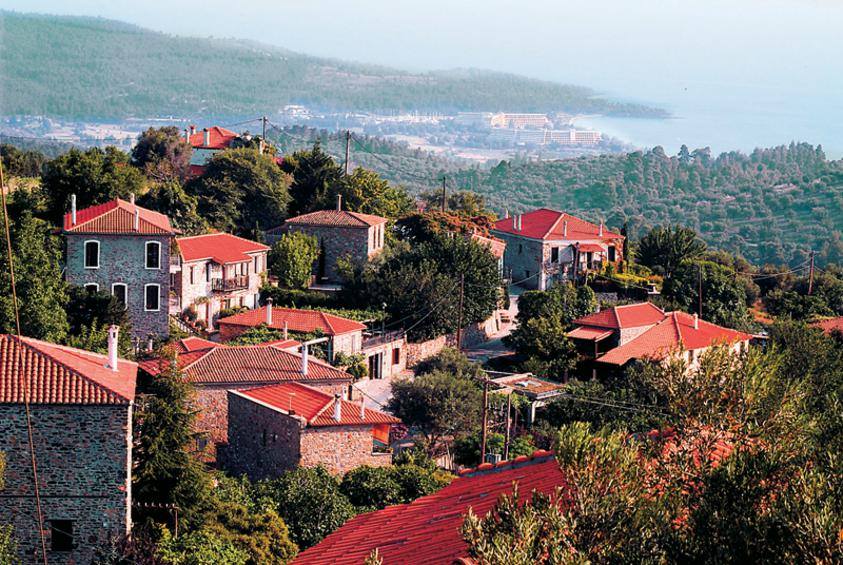
Perched 350 metres up on Mount Itamos, just above Neos Marmaras, Parthenonas is a ghost village turned cultural triumph. Abandoned in the 1970s as residents moved to the coast, it was lovingly restored by artists and travelers who fell in love with its stone heritage.
Top Attractions
The Parthenonas Folk Museum, showcasing traditional rural life and weaving tools.
Panoramic terraces offering sweeping views across the Toronean Gulf and the Kassandra peninsula.
Traditional stone tavernas serving slow-cooked regional dishes.
Best Time to Visit
Late afternoon, to catch golden hour light washing over the stone facades before dining under the stars.
Who Will Enjoy It
Couples, photographers, and travellers seeking peace, history, and authentic mountain cuisine.
Local Tip
The road up from Neos Marmaras is narrow and winding. Drive slowly, watch out for roaming goats, and bring a light jacket—even in summer, mountain evenings get pleasantly crisp.
6. Agios Nikolaos
Why Visit
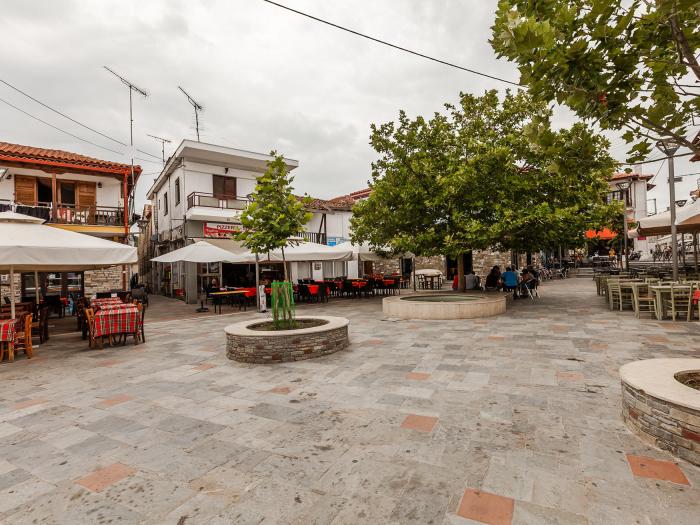
Agios Nikolaos is a traditional market village on the northeastern neck of Sithonia. It serves as the administrative and cultural hub of the local community, featuring neoclassical architecture, narrow alleys, and a fiercely proud local identity.
Top Attractions
The sprawling central square framed by traditional coffee houses and family-run tavernas.
The historic Church of Agios Georgios with its fine interior woodwork.
Proximity to the hidden valley of Ormos Panagias port.
Best Time to Visit
Sunday mornings, when locals gather in the square after church services to catch up over local wine and meze.
Who Will Enjoy It
Cultural travellers and anyone seeking an unfiltered slice of everyday Greek provincial life.
Local Tip
Order kokoretsi or other traditional spit-roasted meats at one of the village tavernas—Agios Nikolaos is renowned across the region for its master grill masters.
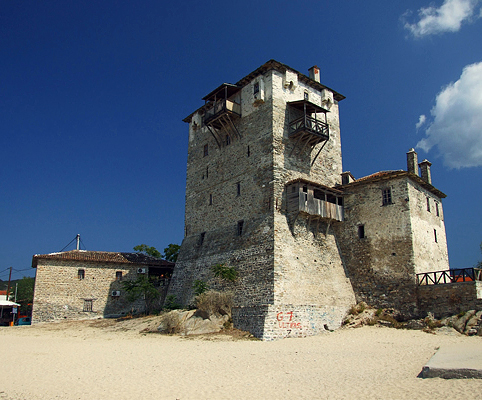
7. Ouranoupoli
Why Visit
Translating literally to “City of Heaven,” Ouranoupoli sits on the eastern gateway to the Mount Athos peninsula. It is a charming, maritime-focused town where history, faith, and sea travel intersect.
Top Attractions
The imposing 14th-century Prosphorion Tower, the largest and best-preserved Byzantine tower in Macedonia.
Boat cruises that skirt the western coastline of the monastic state, offering views of cliffside monasteries.
The peaceful harbor filled with fishing caïques and excursion boats.
Best Time to Visit
Morning, before taking a boat excursion along the Holy Mountain, or evening when the town settles into a quiet, reflective pace.
Who Will Enjoy It
History buffs, pilgrims, and photographers fascinated by Byzantine architecture and maritime landscapes.
Local Tip
Even if you cannot enter Mount Athos (which requires a special permit and is restricted to men), the boat cruise from Ouranoupoli provides an awe-inspiring perspective of the cliff-hanging monasteries from the safety of the sea.
8. Pyrgadikia
Why Visit
Tucked away in the fold of the Singitic Gulf, Pyrgadikia is an amphitheatrical fishing village built on a hill overlooking the water. It feels distinctly like a Greek island village, wrapped in colourful houses, steep steps, and maritime tranquility.
Top Attractions
The picturesque natural harbour filled with colourful fishing boats.
Seafood tavernas serving the freshest octopus, calamari, and shellfish caught that very morning.
Tranquil local beaches located just a short walk from the village centre.
Best Time to Visit
Lunchtime or early evening, making it an ideal stop during a coastal road trip across Northern Greece.
Who Will Enjoy It
Foodies, couples, and travellers looking to escape the heavily commercialised tourist tracks.
Local Tip
Ask the tavern owner for the daily catch of local red mullet (barbounia) paired with a chilled glass of local white wine.
9. Sarti
Why Visit
Originally founded by Asia Minor refugees in 1922, Sarti sits on the southeastern coast of Sithonia. It pairs a rich historical heritage with one of the most dramatic coastal backdrops in the region—towering Mount Athos rising directly across the blue expanse.
Top Attractions
The sweeping 3-kilometre sandy bay offering uninterrupted sun and surf conditions.
The historic refugee settlement area, displaying early 20th-century urban planning and heritage.
Vibrant beachfront promenade filled with family-run shops, bakeries, and cafes.
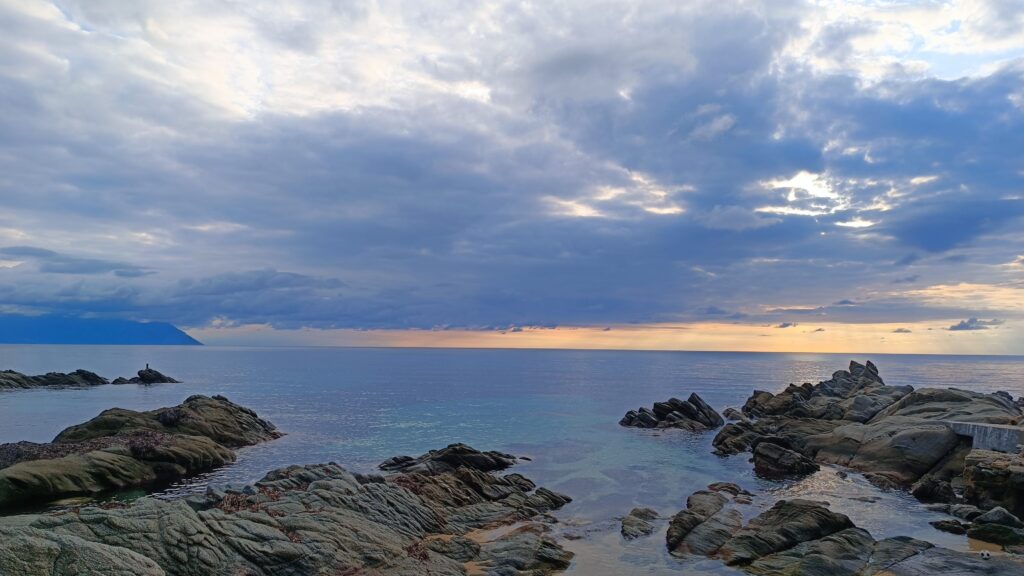
Best Time to Visit
Early morning, when the sun rises directly over Mount Athos, painting the sea in magnificent shades of pink and gold.
Who Will Enjoy It
Families, windsurfers, and travellers looking for a lively coastal village with deep historical roots.
Local Tip
Walk to the southern headland of Sarti beach to see the old windmill ruins and discover small, secluded sandy pockets hidden behind the rocks.
10. Possidi
Why Visit
Located on the southwestern tip of Kassandra, Possidi offers a mix of ancient history, agricultural charm, and a dramatic geological wonder. It is much quieter and more grounded than its northern Kassandra neighbours.
Top Attractions
The ancient Sanctuary of Poseidon, an archaeological site dating back to the 5th century BC.
The historic 19th-century Possidi Lighthouse standing sentinel on the shore.
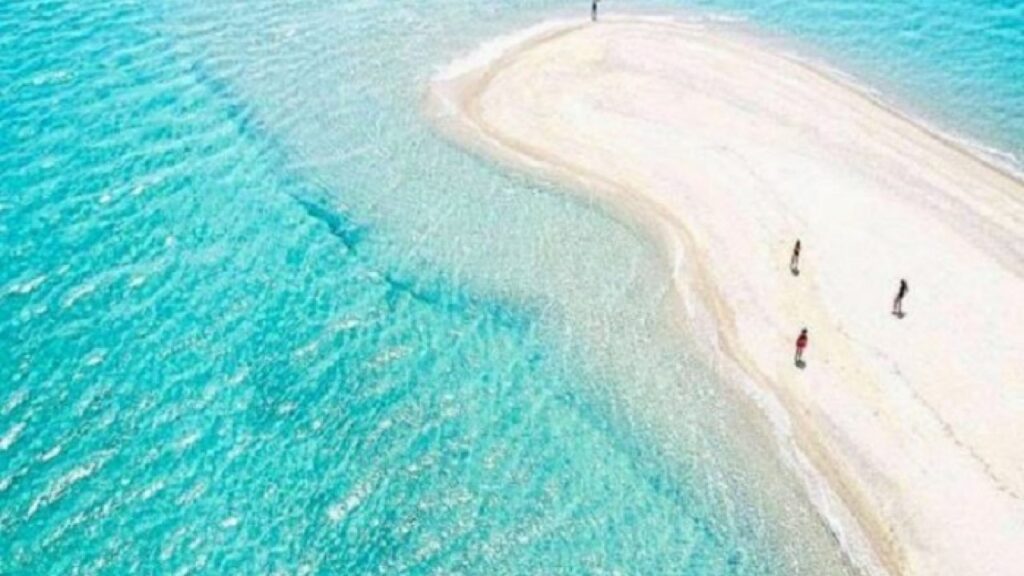
Ammoglossa (The Tongue), a shifting sand spit that stretches deep into the open sea.
Best Time to Visit
Late afternoon, to explore the archaeological site and walk out along the shifting sand spit as the sun dips below the horizon.
Who Will Enjoy It
History enthusiasts, beach walkers, and couples seeking dramatic sunset landscapes.
Local Tip
The currents around the tip of Ammoglossa can be surprisingly strong. Admire the shifting sands, but exercise caution if you decide to swim right at the absolute point.
Suggested Road Trip Itineraries
To help you structure your holiday, here are three curated itineraries balancing coast and countryside.
One-Day Itinerary: The Sithonia Panorama
Morning: Depart your accommodation early and head straight to Parthenonas for coffee and panoramic mountain views.
Mid-Day: Drive across the spine of Sithonia to the east coast, visiting Vourvourou or stopping for lunch at a traditional taverna in Agios Nikolaos.
Afternoon: Conclude your day exploring the bustling port and charming backstreets of Neos Marmaras before watching the sunset over the gulf.
Three-Day Itinerary: The Cultural Circuit
Day 1 (Kassandra Heritage): Arrive via an airport transfer, settle into your resort, and spend the afternoon exploring the stone alleys and cliffside views of Afitos.
Day 2 (Mountain Traditions): Head inland to Arnaia. Explore the weaving workshops, visit the local museum, and enjoy a slow lunch under the ancient plane tree in the main square.
Day 3 (Maritime History): Travel northeast to Ouranoupoli, take a boat cruise along the base of Mount Athos, and finish with fresh seafood by the harbor.
One-Week Itinerary: The Ultimate Halkidiki Immersion
Days 1–2 (Kassandra & Coast): Base yourself in the western region, exploring Afitos, Possidi Cape, and relaxing on local beaches.
Days 3–4 (The Mountain Heart): Move inland or towards the north, dedicating time to Arnaia, Holomontas hiking trails, and authentic village tavernas.
Days 5–7 (Sithonia & East): Explore the rugged beauty of Sithonia, staying near Neos Marmaras or Sarti, visiting Parthenonas, and making a cultural day trip to Ouranoupoli and Pyrgadikia.
How to Travel Around Halkidiki
Navigating a region with three peninsulas requires a clear transport strategy. Here is how the primary options compare:
| Transport Option | Advantages | Disadvantages | Best Suited For |
| Private Transfers | Door-to-door, fixed pricing, zero stress, professional local drivers, vehicle comfort. | Higher upfront cost than public buses. | Families, groups, couples, and stress-free holidaymakers. |
| Rental Cars | Complete spontaneity, freedom to stop anywhere. | Parking stress in peak season, narrow mountain roads, fuel costs, car rental queues at SKG. | Independent explorers comfortable with Greek driving habits. |
| Public Buses (KTEL) | Inexpensive, connects major towns and Thessaloniki. | Infrequent schedules to remote villages, no direct airport-to-resort routes, rigid timetables. | Budget backpackers travelling light with flexible schedules. |
Why Many Visitors Choose Private Transfers
When you land at Thessaloniki Airport after a long flight, navigating car rental counters or deciphering bus schedules is often the last thing you want to do. This is why a growing number of savvy travellers opt for a professional private transfer Halkidiki service, such as XLNS Transfer Thessaloniki.
Booking your journey in advance provides distinct practical advantages:
Door-to-Door Service: Your driver meets you directly inside the SKG arrivals hall, handles your luggage, and takes you straight to your hotel, villa, or remote village doorstep.
Flight Monitoring: Even if your flight is delayed or arriving early, your driver tracks your flight status in real-time, ensuring they are waiting when you touch down.
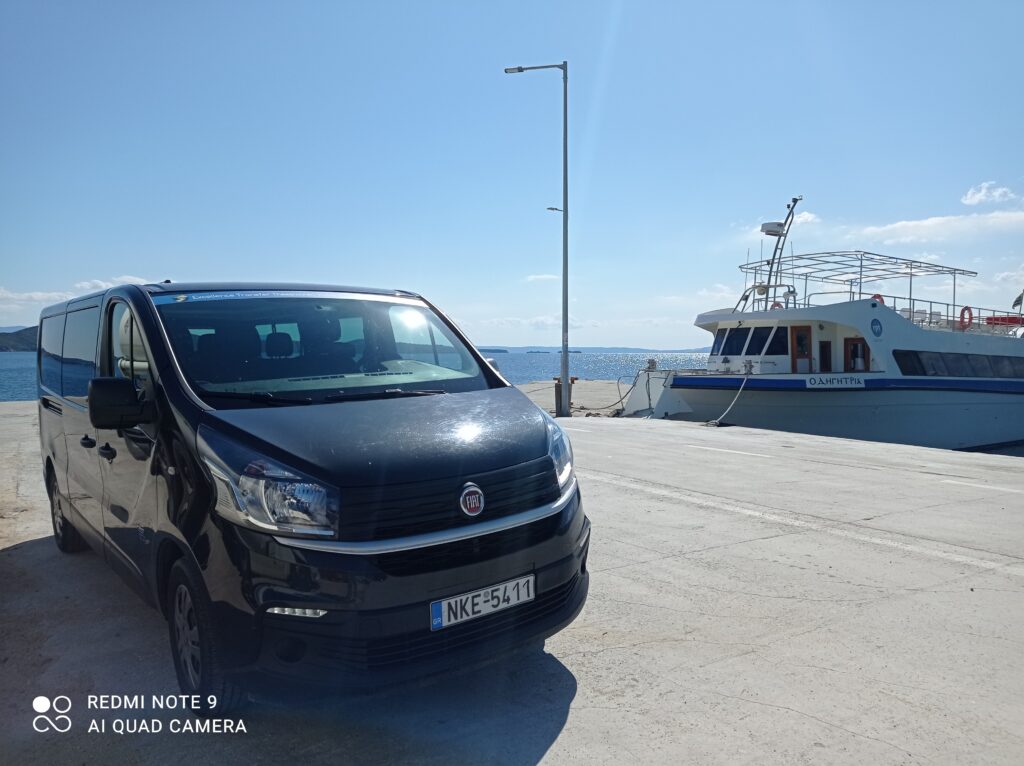
Fixed Pricing: No hidden fees, no taximeter anxiety, and no unexpected surge charges. You know the exact cost before you fly.
Comfortable, Modern Fleet: Travel in clean, air-conditioned sedans, minivans, or minibuses equipped for long and short journeys alike.
Professional Local Drivers: Enjoy the ride with experienced, English-speaking drivers who possess deep local knowledge of Halkidiki’s roads, shortcuts, and hidden viewpoints.
Using a reliable Thessaloniki Airport transfer service allows you to transition seamlessly from the airport tarmac straight into holiday mode, saving precious time and eliminating transit stress.
Local Insider Tips
Maximise your time in Northern Greece with these practical insights from seasoned locals:
Parking Realities: In peak summer months (July and August), parking in popular coastal villages like Afitos or Nikiti can be tight. Park on the outskirts of the village and walk in—the stroll through the back alleys is always delightful.
Beat the Summer Traffic: If travelling between Thessaloniki and Halkidiki on a Friday afternoon or Sunday evening, expect heavy congestion as city residents head to the coast. Plan your transfers during off-peak morning hours when possible.
Embracing the Kafeneio: Do not rush your morning coffee. In traditional villages like Arnaia or Agios Nikolaos, a Greek coffee or frappe is an invitation to slow down and chat with locals.
Culinary Specialties: Beyond seafood, make sure to taste regional delicacies such as wild boar stew in the mountain villages, local goat cheese, and traditional honey-infused pastries like tsipoura pairings.
Photography Golden Hour: The best light for capturing the stone architecture of Parthenonas or Afitos occurs approximately 45 minutes before sunset.
Frequently Asked Questions
Which town is the nicest in Halkidiki?
Afitos is widely considered the most visually striking town due to its preserved stone architecture and dramatic cliffside views over the gulf. However, if you prefer mountain tradition, Arnaia offers unmatched rustic charm, while Neos Marmaras provides a vibrant coastal town atmosphere with great nightlife.
Where should I stay in Halkidiki?
Your ideal base depends on your holiday style. Stay in Kassandra (like Afitos or Hanioti) for luxury resorts and lively beach clubs. Choose Sithonia (like Nikiti, Neos Marmaras, or Sarti) if you prefer nature, pine forests, and quieter coves. Stay near Ouranoupoli if you want tranquility and history.
Is Halkidiki worth visiting without going to the beach?
Absolutely. While the coastline is world-famous, Halkidiki’s inland offers rich Byzantine history, dense mountain forests, hiking trails on Mount Holomontas, traditional weaving heritage, and incredible gastronomy in villages like Arnaia and Parthenonas that have remained untouched by mass tourism.
How many days do you need in Halkidiki?
To properly experience both the famous coastline and the authentic inland villages, a minimum of 5 to 7 days is recommended. This allows you to spend a few days relaxing on the beaches of Sithonia or Kassandra and a few days exploring traditional mountain settlements and historic landmarks.
Can you explore Halkidiki without a car?
Yes, though it requires planning. While public buses (KTEL) connect major towns and Thessaloniki, they rarely service remote mountain villages or hidden coves. Many travellers combine fixed accommodation with pre-booked private transfer services or organized day tours to explore inland attractions without the stress of driving.
Conclusion
Halkidiki is a destination of remarkable duality. It offers some of the most crystalline, sun-drenched beaches in the Mediterranean, yet it guards a deep, soulful identity within its stone-built mountain villages, pine-scented forests, and historic ports. By stepping away from the sunbed and venturing into towns like Afitos, Arnaia, and Parthenonas, you unlock the true character of Northern Greece.
Do not let logistics hold you back from exploring both sides of this stunning peninsula. Plan your journey ahead of time, secure a stress-free SKG Airport to Halkidiki transfer, and get ready to experience an authentic holiday where every winding road leads to a new discovery.
Top Day Trips from Thessaloniki: Beaches, Mountains & More
Halkidiki Travel Guide: Best Towns & Villages
Hidden Gems in Halkidiki: Lesser-Known Beaches Worth Visiting
10 Best Beaches in Halkidiki: A Local’s Definitive 2026 Guide
Booking the Best Transfer from SKG Airport to Halkidiki – Step by Step